2027 Barn of the Year submissions accepted Nov. 1 – Jan. 31
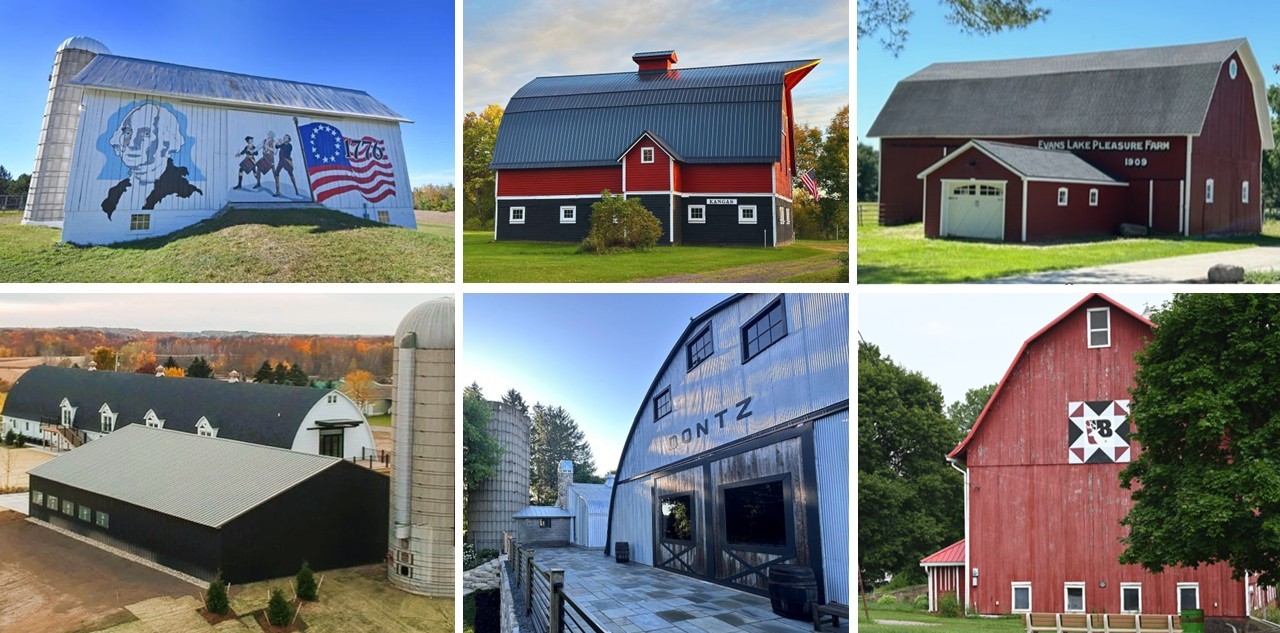
See 2026 Barn of the Year winner profiles and application instructions for 2027.
2026 Fall Barn Tour
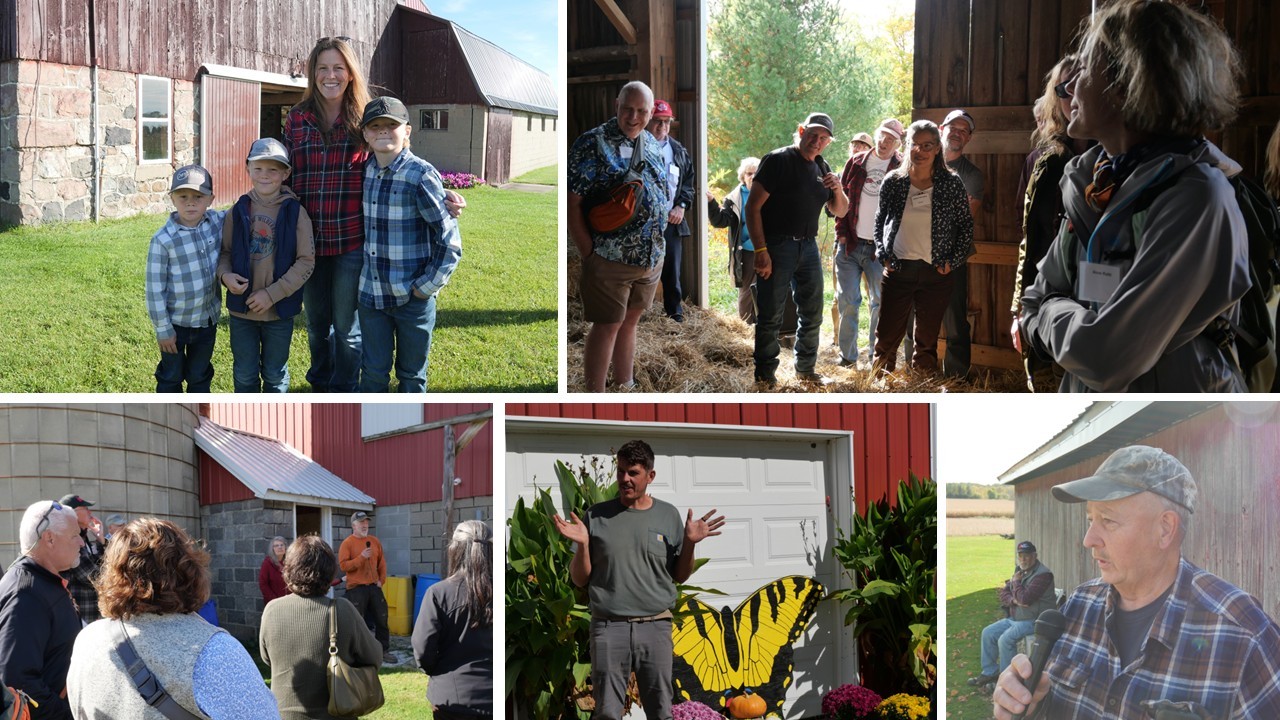
See 2026 Barn Tour program booklet.
2027 MBPN Annual Conference
Mark Your Calendar for Saturday, March 20
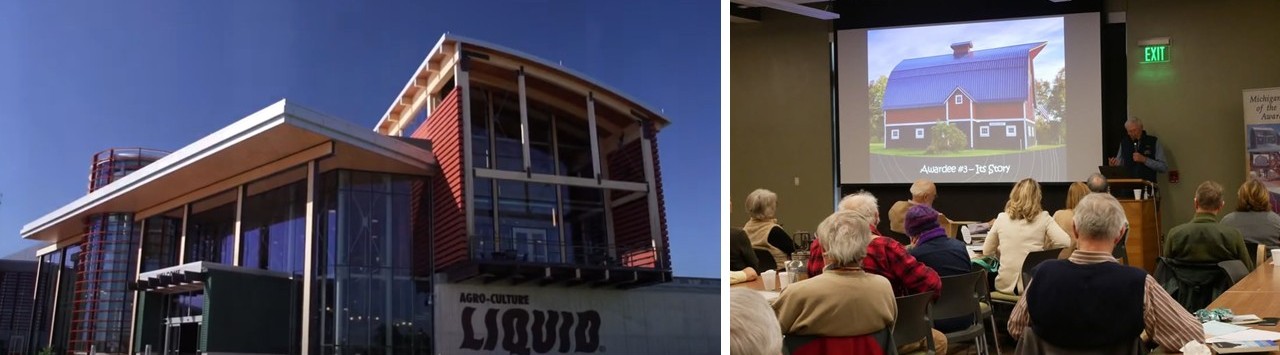
Click here for current Newsletter issue.
A Look at MBPN’s Past and Future
- Barn Tour Tradition – Annual event on Oct. 9 attracts barn owners and enthusiasts p. 1 and 3
- Enduring Mission of MBPN’s Technical Committee: Sharing knowledge and resources needed to save Michigan barns. p. 4-5
- A Little Help from Our Friends: Exploring a partnership between MBPN and Tillers International – p. 2, 6-7.
Become a MBPN member to receive the print edition of the newsletter in the mail several times a year.
The Questions We’re Most Often Asked…
Q. Is there any funding for barn restoration?
The Michigan Barn Preservation Network keeps tabs on funding opportunities in the form of grants, tax credits and low-interest loans. Click here for the latest information about organizations and programs that provide some kind of assistance.
Currently there are no governmental grants in Michigan to help private owners of barns with restoration or repair of their personal property. Work on barns which are owned by municipalities, nonprofit organizations or other public entities may be eligible for consideration for grants and awards through governmental and foundation programs. Listing on the National or State Register of Historic Places is a requirement for most grants.
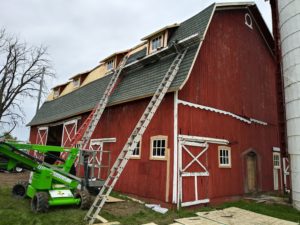 Q. How can I find someone to fix my barn?
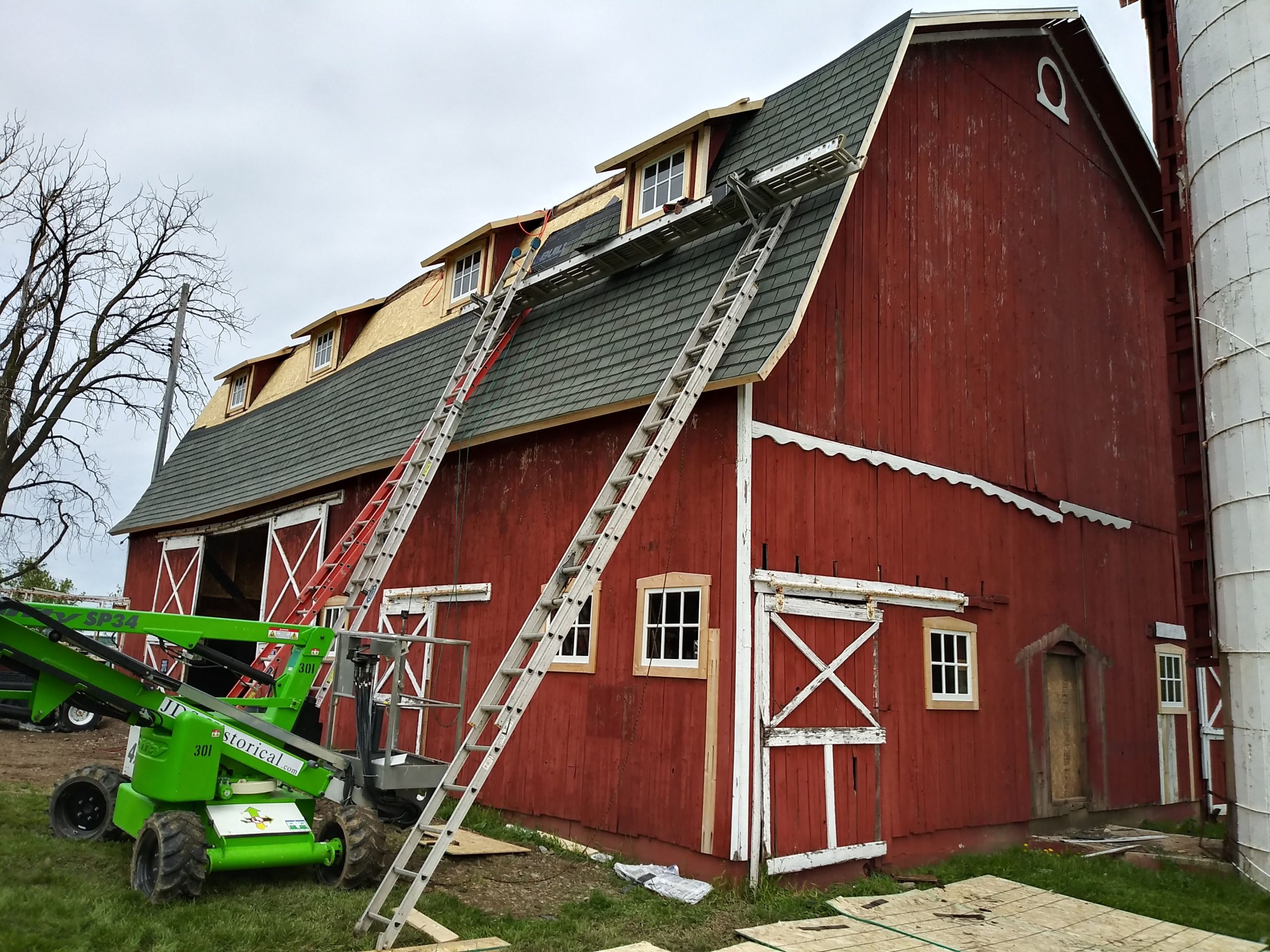
There are people all across Michigan who do repair work on old barns. Some do historically accurate timber frame work. Some do structural reinforcement by using cables. Some specialize in installing steel roofing and siding. Many will repair anything from foundation to cupola.
Our website provides a Contractor’s List as a place for barn owners to start looking for help.
Also check out Tom Irrer’s article about finding and vetting contractors.
Q. Why are barns red?
MBPN Board Member Keith Anderson offers several practical and cost-effective reasons why red became the dominant color of early barns. See article.
Q. Have questions about rehabilitating or repairing your barn?
Check out the Frequently Asked Questions about barn repair here. MBPN has a committee of experts to answer your inquiries. Go to the contact page to send a query.
On the Road: Teamwork & Timbers
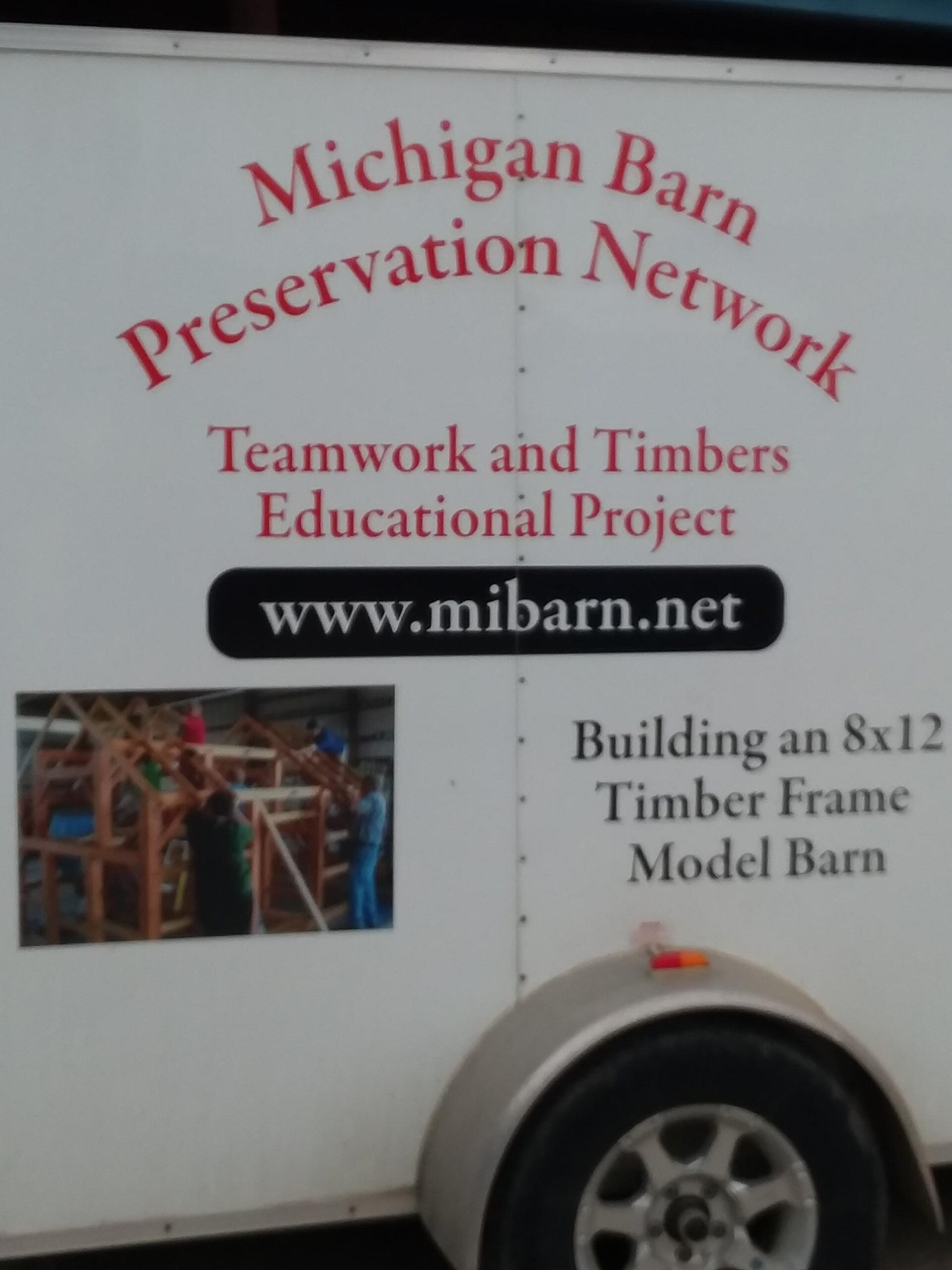
Teamwork & Timbers is a one-of-a-kind learning opportunity for youth to experience the barn-raising tradition that was common in Michigan’s rural communities during the late 19th and early 20th centuries.
At the request of local organizations, our MBPN volunteers deliver the structural components to festival and school sites in Michigan and coordinate the assembly of a 1/4 size 19th-century timber frame model. While working on this life-size 3-D puzzle, students learn historic construction techniques and architectural terms. They also are challenged to use their math, science, and engineering skills.
This educational experience gives Michigan youth and adults a glimpse into our agricultural heritage, the pride of craftsmanship, and what can happen when people come together to accomplish something that they cannot do alone.
Contact MBPN to ask about scheduling T&T for your group.
 MBPN’s Barn School
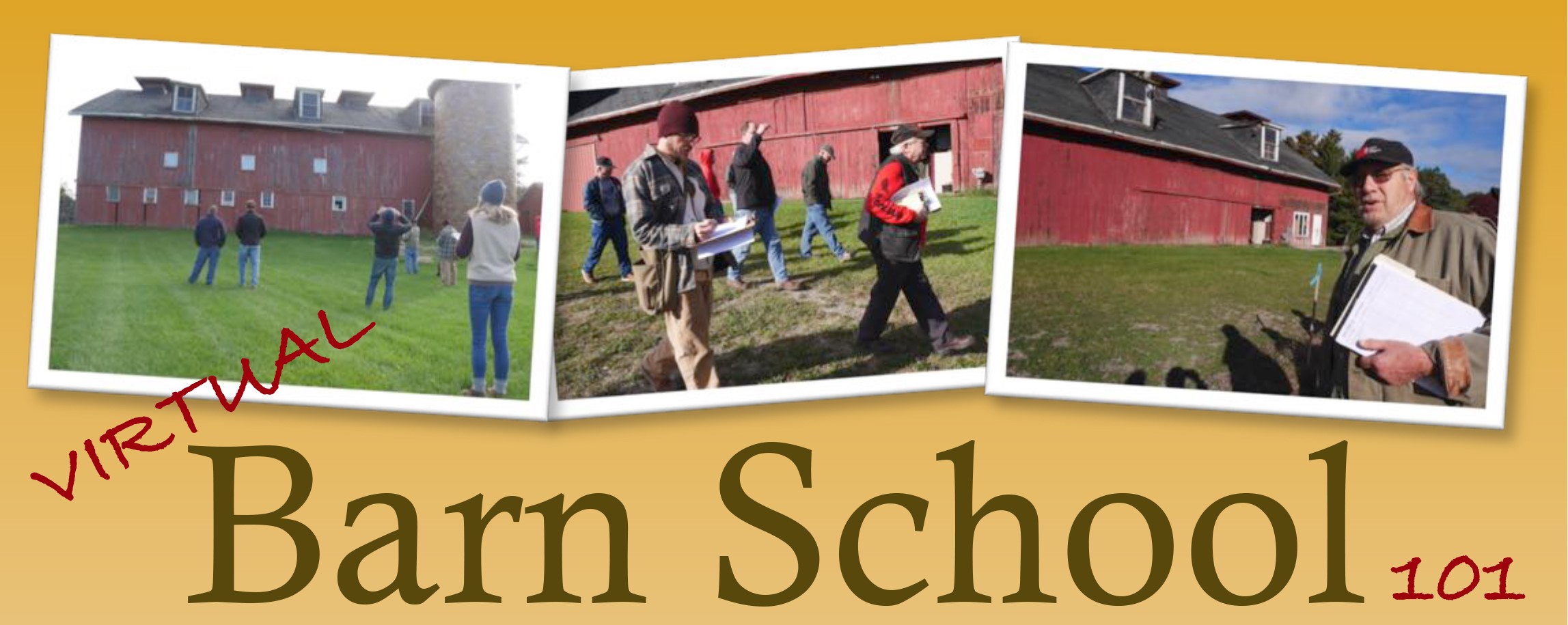
The Michigan Barn Preservation Network offers barn workshops and classes in both onsite and virtual formats. In the hands-on field program, participants spend a Saturday assessing the condition and stability of a barn and learn about barn architecture, construction, maintenance and repair approaches.
Hands-on Activities

Left: Barn School participants examine silo while conducting exterior assessment of BJ’s barn in North Branch. Right: Portable saw mill demonstration was part of the morning activities held nearby at MEJ’s Mystical Farm.
The most recent Barn School event was Oct. 11, 2025 in Lapeer County as part of the Fall Barn Tour weekend. The morning session included a portable saw mill demonstration and presentations on how to approach barn repairs:
- Patch or Replace? By Tom Nehil, structural engineer and stone masonry teacher
- What Has Caused the Need for Repairs? By Blair Bates, barn rehabilitation expert and master stone mason
The second half of the day was devoted to Steve Stier’s popular Barn School – a workshop at a nearby 1912-era barn. Led by architect Tammis Donaldson, participants learned how to assess a barn’s condition and prioritize repairs.
Learn more about the Barn School here.
Virtual Barn School 101
MBPN’s Virtual Barn School 101 is featured on the YouTube channel of the Michigan Historic Preservation Network. Steve Stier, Tammis Donaldson and Stephanie White present a brief history of barns in Michigan, barn terminology and parts, and free to low-cost fixes barn owners can do. This 2020 workshop is still available as a Webinar Replay.
Welcome to the Michigan Barn Preservation Network (MBPN), a volunteer-based, statewide nonprofit dedicated to promoting appreciation, preservation, and rehabilitation of Michigan barns, farmsteads, and rural communities.
We are committed to the rehabilitation of barns for agricultural, commercial, public, and residential uses. Adaptive re-use is a significant strategy for barn preservation – all structures need a reason for being.
MBPN fosters the sharing of barn experiences and resources with this website and through educational events, recognition programs, connections and collaboration.
Barns symbolize positive qualities of American character: strength, honesty, endurance, security and family stability. They remind us of our heritage and help tell the story of rural life. They serve as landmarks while fulfilling the purpose for which they were originally designed, housing agricultural products and animals. With maintenance and some adaptations, they can serve us well for many years to come.
Mission: Promoting Appreciation, Preservation and Rehabilitation of Michigan Barns, Farmsteads and Rural Communities since 1995.